We are living through a strange historical moment.
AI is rewriting the rules at unprecedented speed — writing, drawing, programming, analyzing — and almost every day it approaches abilities humans once took pride in. Many people feel anxious: what should I learn? Where is my value?
Yet in precisely this era, one thing has become more important than ever: recording the traces of your own life.
Not because recording is “useful,” not for efficiency, and not to construct a self-disciplined persona.
Rather, because when more and more external abilities are taken over by AI, the emotions, moments, confusions, and tremors that belong only to you become the most irreplaceable things.
Back to the act of recording itself
Recently, more and more creators have been telling people to keep a diary. They have a point, but the problem is the diary itself.
Keeping a diary means that you live through a day, then sit down at some point to recall, select, organize, and summarize it, whether by writing or speaking, until it becomes a complete passage.
This is a kind of compression.
What it leaves behind is the version you have organized, not life itself.
But real life is often not made of summaries. It is more like countless tiny, scattered, hard-to-explain moments:
- a photo taken casually
- a sentence you suddenly wanted to write down
- an emotional fluctuation you cannot quite explain
- a sadness that arrives suddenly late at night
These fragments look light, but they are often closer to the real you than any “summary.”
Traditional diaries are too heavy. They turn recording into homework.
What recording has always lacked is not an input tool
The reason previous recording products were hard to keep using was not that “input was inconvenient.”
It was because after recording, nothing happened.
You wrote a passage, took a picture, saved a thought, and then it was placed on a timeline and disappeared. There was no response, no connection, and no sense of being understood.
Over time, recording becomes a very lonely thing.
AI changes this for the first time.
After a record is created, the system can respond to you. It does not need to be complicated, and it does not need to produce deep interpretation every time. Often, what the user needs is only a light, natural response that can hold the moment.
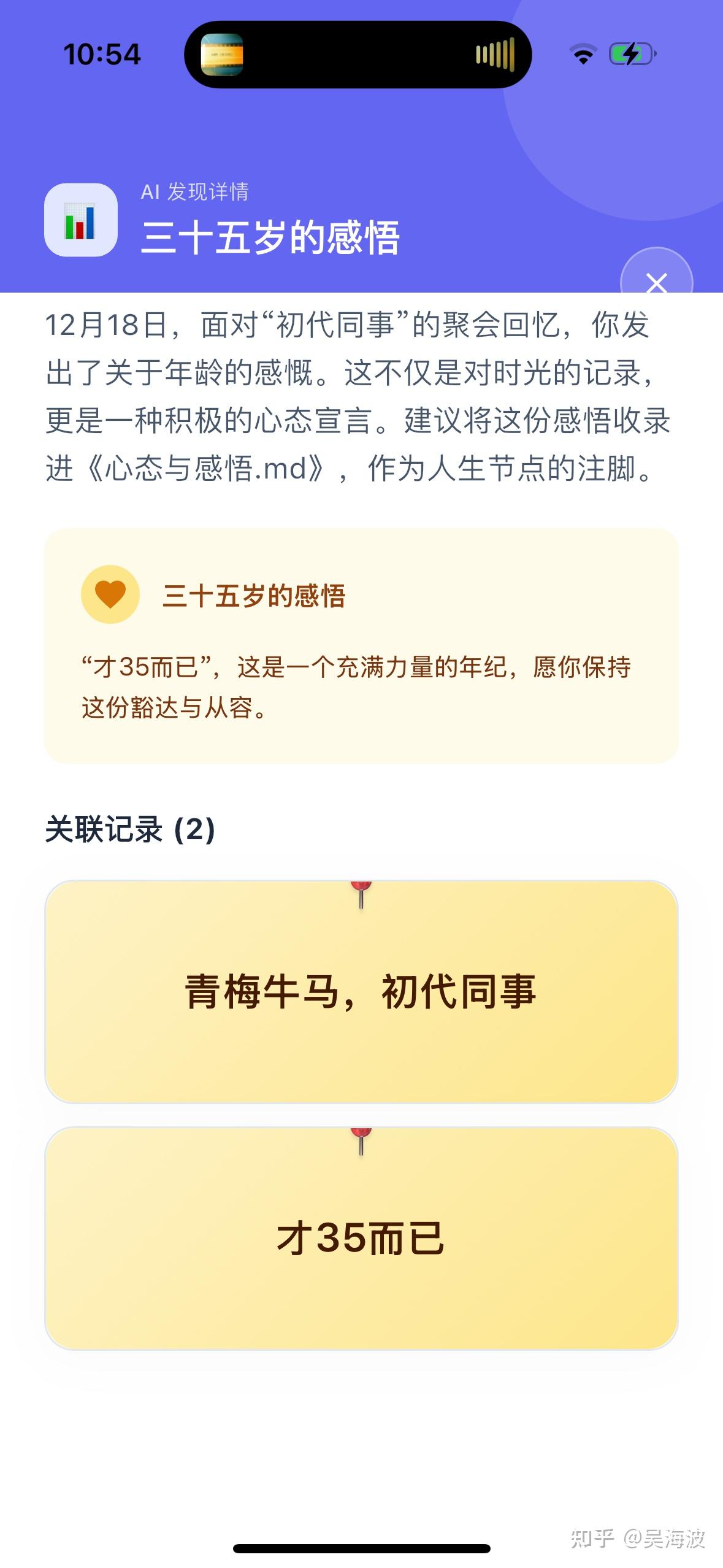
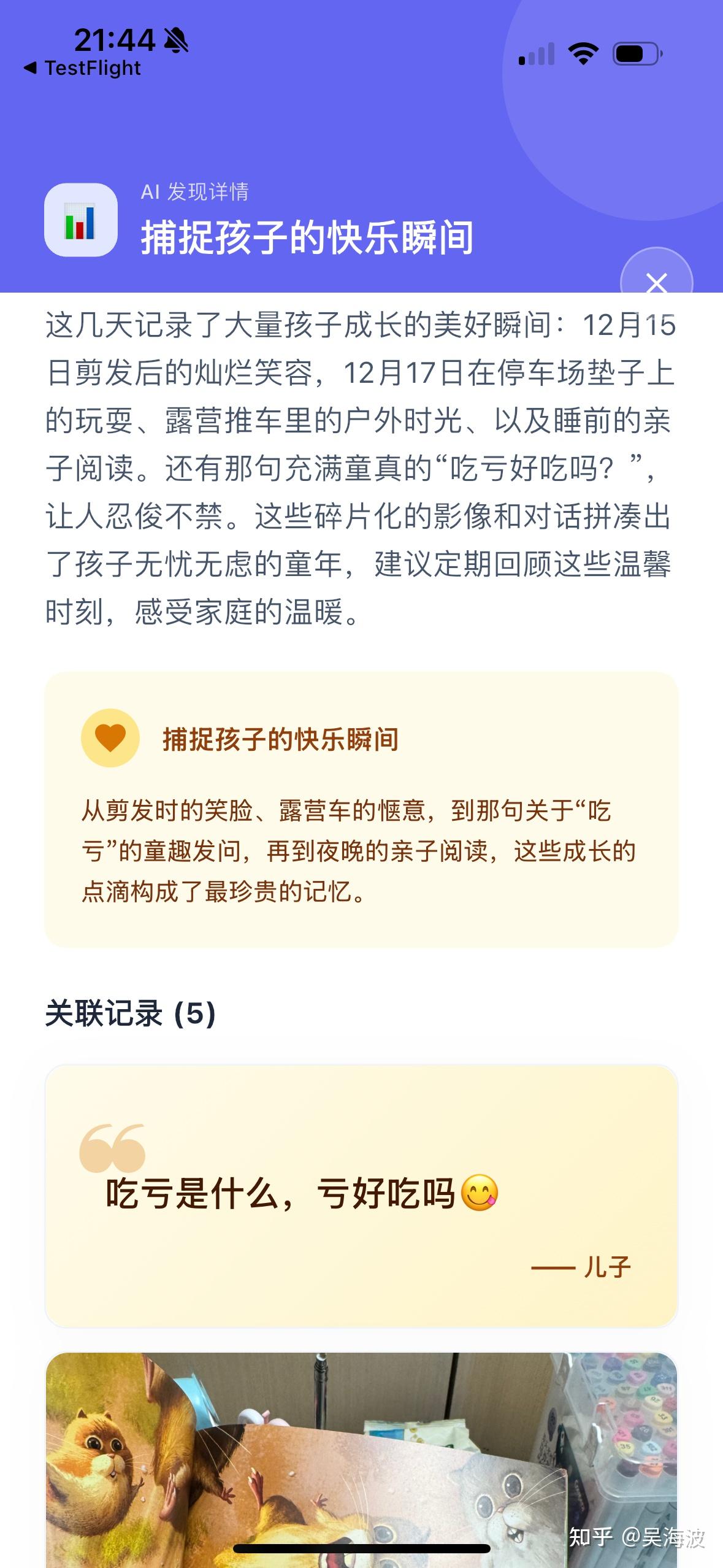
After long-term use, connections between scattered records begin to appear. Patterns you might not have noticed slowly surface.
At that point, recording is no longer just “I left something behind.” It becomes:
Through these fragments, I am slowly understanding who I am.
This is what Memex wants to do
Memex is not a diary app in the traditional sense, nor is it simply an AI product for emotional companionship.
It wants to create a new way of personal recording: not helping you store life, but helping you see yourself through life.
More concretely:
Recording should be effortless. Memex does not require you to change your existing habits or force you to write long diary entries every day. A sentence, a photo, a voice note — whatever you already use to record, you keep using it that way.
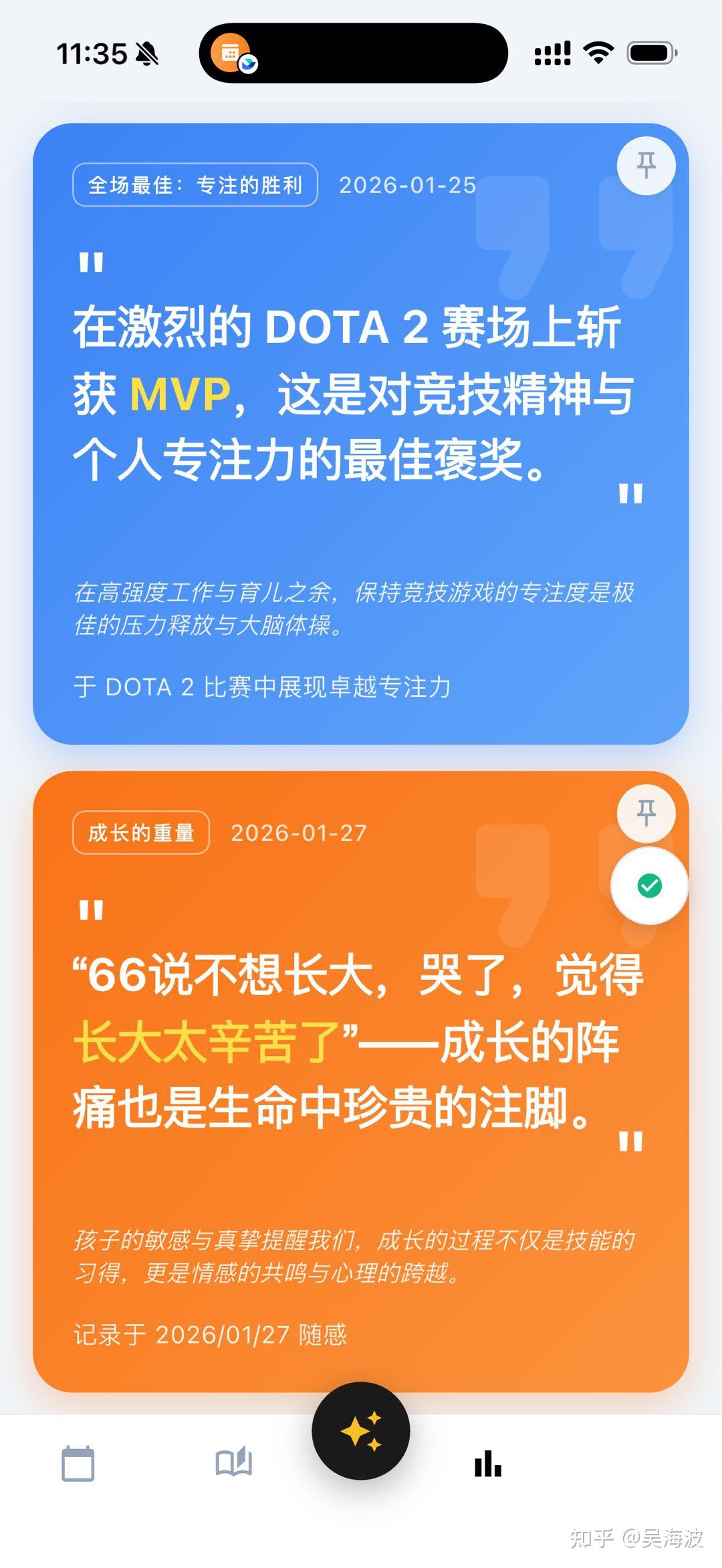
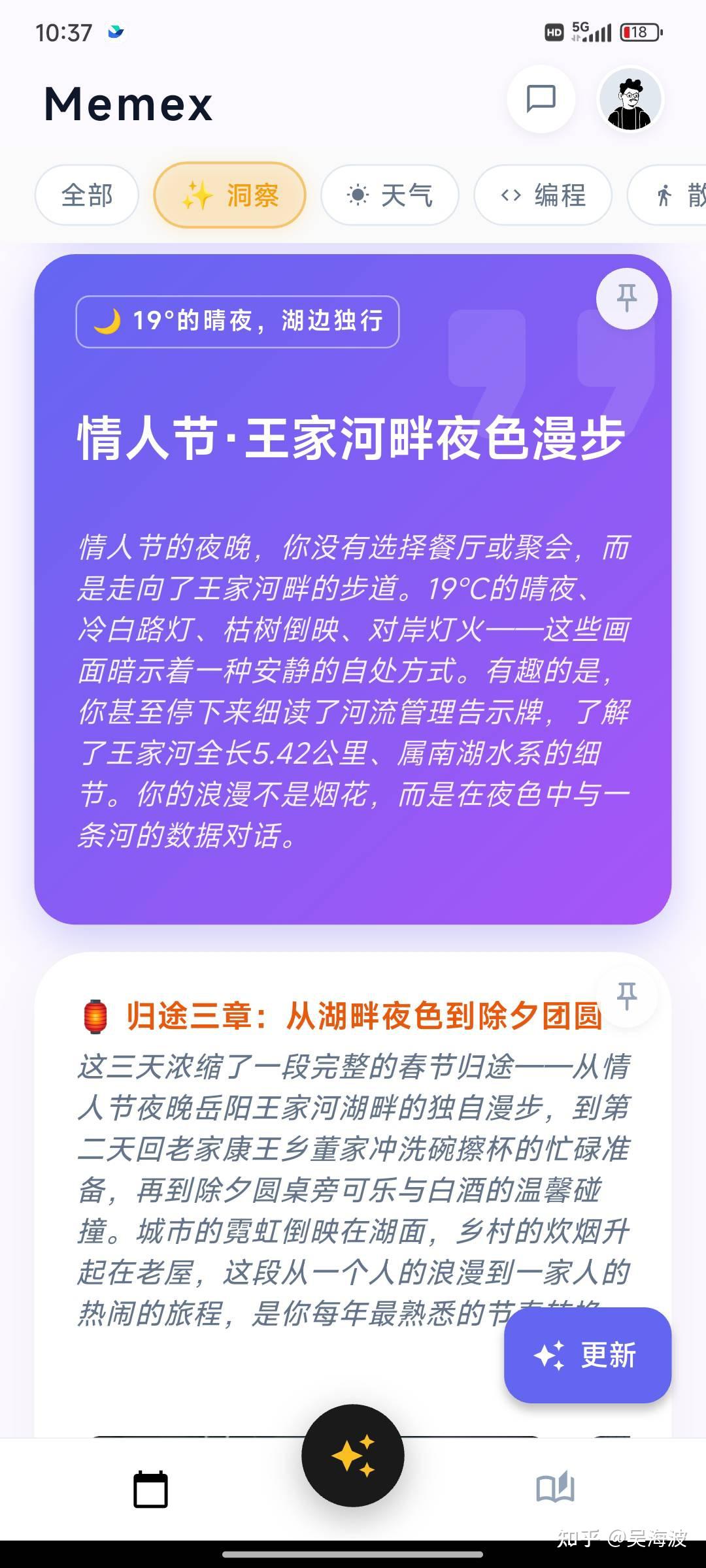
AI should work in the background. Multiple agents collaborate to organize records, generate cards, extract insights, and connect memories. The system does this work; you do not.
The response should feel real. Insights should not become reports, and companionship should not become marketing. Memex’s goal is that one day, when you look back, you genuinely feel: oh, so this is the kind of person I am.
Why we chose open source
Memex touched every person involved in building it. But we also saw clearly that within the framework of a commercial company, sustaining such a “human-centered” product is extremely difficult.
Model costs are high. Operating costs are high. Under pressure for traffic and profit, we cannot be sure that this idea can always keep going.
In addition, because on-device large models on phones are not yet strong enough, Memex cannot currently achieve complete zero data upload. It still needs to call cloud-based large models. We do not want to pretend this problem has already been solved.
So we decided to open source it.
The most sensitive data must correspond to the highest level of trust. A system that touches your emotions, relationships, vulnerabilities, and life questions should not be protected only by one company’s promise. It should be transparent, auditable, and guarded together by the community.
I hope Memex can leave something valuable for this direction. Everyone who believes in it is welcome to build it together. Here is the GitHub address:
A simple demo:
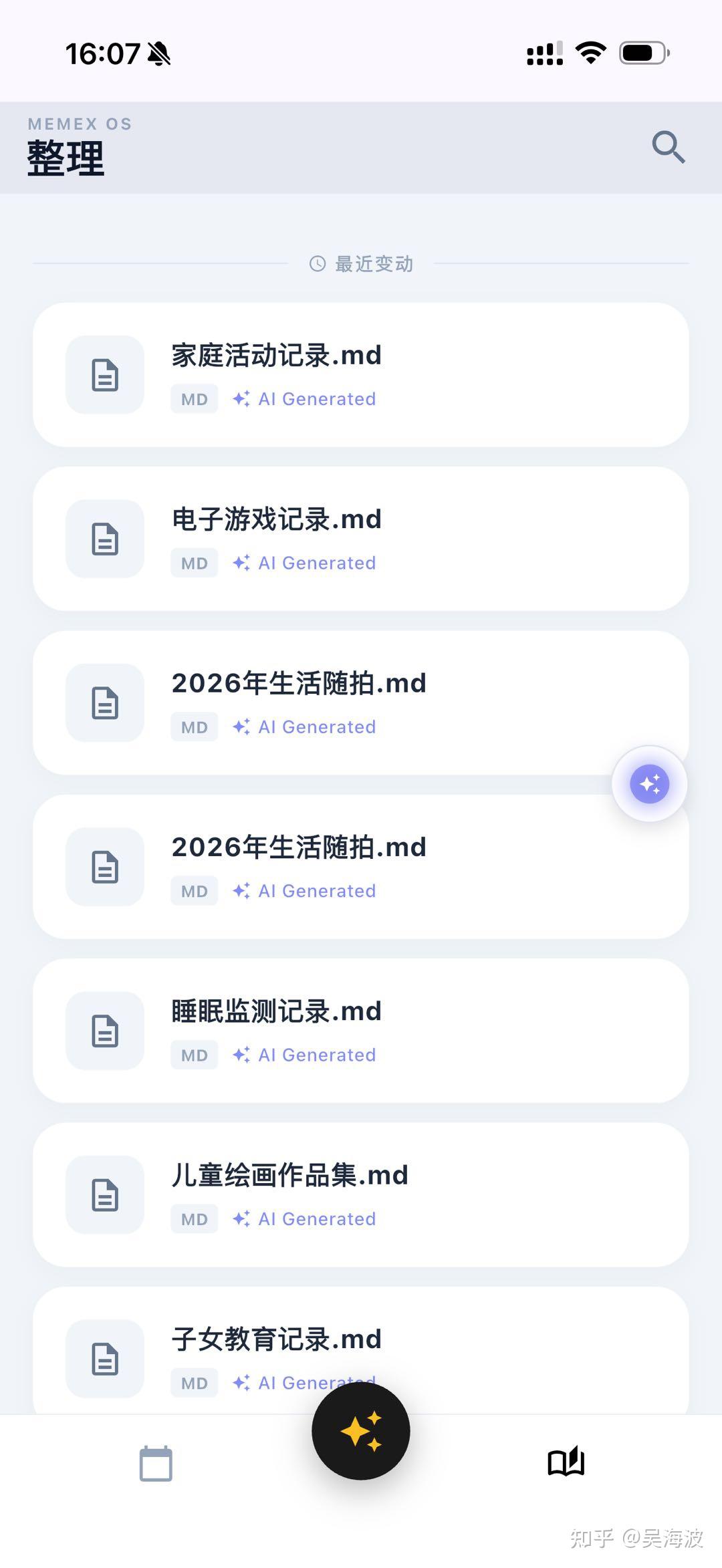
Some product test screenshots